
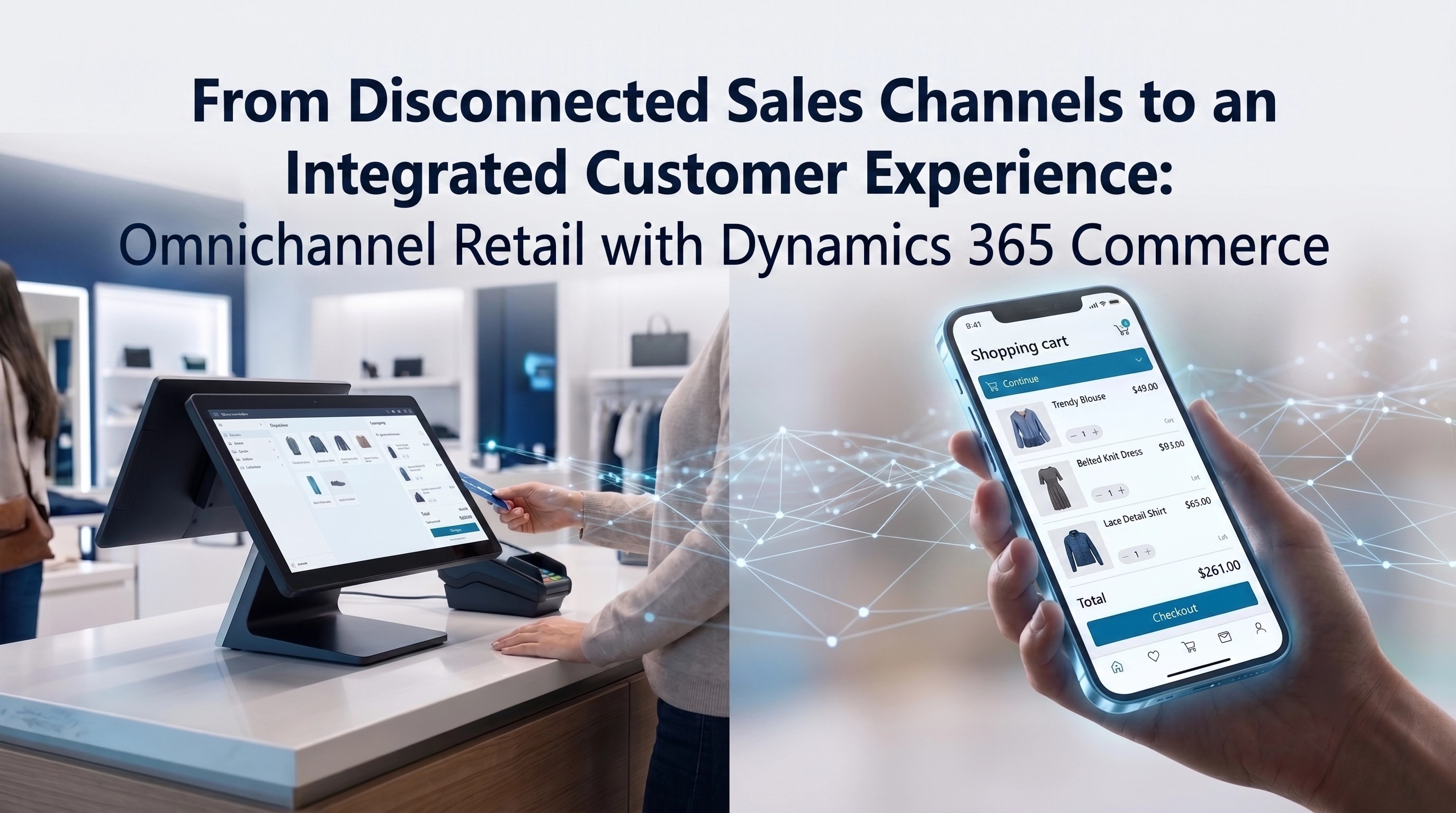
Modern consumers no longer initiate purchasing lifecycles across a single device or isolated physical location. Target audience engagement consistently begins by evaluating products via mobile applications, continues through aggressive price comparisons across social media architectures, and concludes by physically experiencing the asset directly at the retail edge.
As Pargesoft Dynamics 365 F&O Team Lead Alihan Uyumaz dictates during the enterprise briefing:
From the consumer perspective, no operational distinction exists between e-commerce portals, mobile applications, or physical point-of-sale environments; they interact strictly with one unified corporate identity. However, back-office enterprise operations consistently reflect highly fragmented realities. When e-commerce platforms execute on isolated databases, retail branch software runs on independent servers, and customer service centers operate through disconnected relationship applications, this multi-channel architecture aggressively deteriorates into chronic organizational data chaos. Microsoft Dynamics 365 Commerce completely eliminates this structural fragmentation by consolidating retail operations, consumer experiences, and core back-office commerce workflows directly into one authoritative, unified omnichannel architecture.
Operational Distinctions Between Fragmented Multi-Channel and Unified Omnichannel Architectures
Numerous enterprise organizations mistakenly classify operating isolated physical branches, an e-commerce portal, and a mobile application as a unified omnichannel strategy. However, if these distributed sales networks fail to execute real-time data synchronization, if inventory depletes from isolated, disparate databases, and if point-of-sale operators remain blind to the end consumer's digital cart, the resulting infrastructure constitutes nothing more than a legacy, fragmented multi-channel architecture.
Enterprise architect Alihan Uyumaz dictates the exact operational objective:
This unified architecture completely eliminates operational boundaries across the consumer purchasing lifecycle. When a prospect adds an asset to their digital cart via a mobile application and arrives at a physical retail location, the sales consultant instantly retrieves that exact profile, bringing the digital assets directly into the physical point-of-sale terminal. Consumers execute orders through the digital portal and select physical branch fulfillment, bypassing standard delivery delays. If a specific asset remains out of stock at the immediate physical location, the transaction is never abandoned; the consultant utilizes their unified interface to route the exact model directly from the central distribution hub to the consumer's address. Because these critical workflows execute within one centralized ecosystem, all pricing models, inventory depletion metrics, and brand loyalty assets update simultaneously across the entire enterprise.
Commerce Scale Unit Architecture and Uninterrupted Retail Branch Operations
High-volume enterprise retail operations consistently face severe risks during peak transaction hours due to critical infrastructure outages. While back-office reporting architectures can tolerate minor data latency, the physical point-of-sale environment demands absolute operational continuity. Alihan Uyumaz dictates this exact operational reality:
Microsoft Dynamics 365 Commerce systematically bypasses these severe operational bottlenecks through advanced in-store and hybrid deployment architectures. At the core of this infrastructure, the Commerce Scale Unit functions as the authoritative commerce service layer, securely orchestrating data exchange between physical retail branches and core back-office applications, including Dynamics 365 Finance and Supply Chain Management.
Within hybrid architectures, the Commerce Scale Unit operates through the cloud, while local point-of-sale interfaces communicate directly with this centralized service. Defending against internet outages, organizations deploy a Local Hardware Station and an isolated Channel Database directly within the physical branch. When connectivity drops, point-of-sale terminals instantly transition into offline mode. Barcode scanners, receipt printers, and payment terminals maintain uninterrupted communication across the local network. The architecture securely commits all transaction data directly into the local database. Once connectivity restores, Async Services autonomously push these accumulated transaction payloads back into the centralized enterprise server.
This authoritative offline operational model dictates absolute business continuity, completely preventing severe revenue loss caused by localized infrastructure failures.
Asynchronous Service Architectures Optimizing Enterprise Server Workloads
High-volume retail operations face severe network congestion when thousands of point-of-sale terminals simultaneously transmit data and extract real-time pricing updates. Microsoft Dynamics 365 Commerce systematically executes asynchronous synchronization architectures to authoritatively govern this massive enterprise data traffic.
When headquarters define extensive promotional campaigns, the architecture never forces immediate data transmission across branch networks. Asynchronous services systematically push data payloads into isolated channel databases at strict intervals (e.g., every 15 minutes). Similarly, intraday operations, inventory depletion metrics, and new registry entries transfer back to the core server in structured blocks. This optimization guarantees point-of-sale terminals consistently execute high-performance transactions, remaining completely isolated from potential central server bottlenecks.
Consultant Experience: Store Commerce Modern Interfaces
The exact operational execution point of unified omnichannel strategies resides directly within the Store Commerce interfaces utilized by frontline enterprise teams. Systematically bypassing heavy legacy register applications, this adaptable architecture executes directly through web browsers requiring zero local installation (Cloud POS), or natively deploys across Windows, iOS, and Android enterprise tablets.
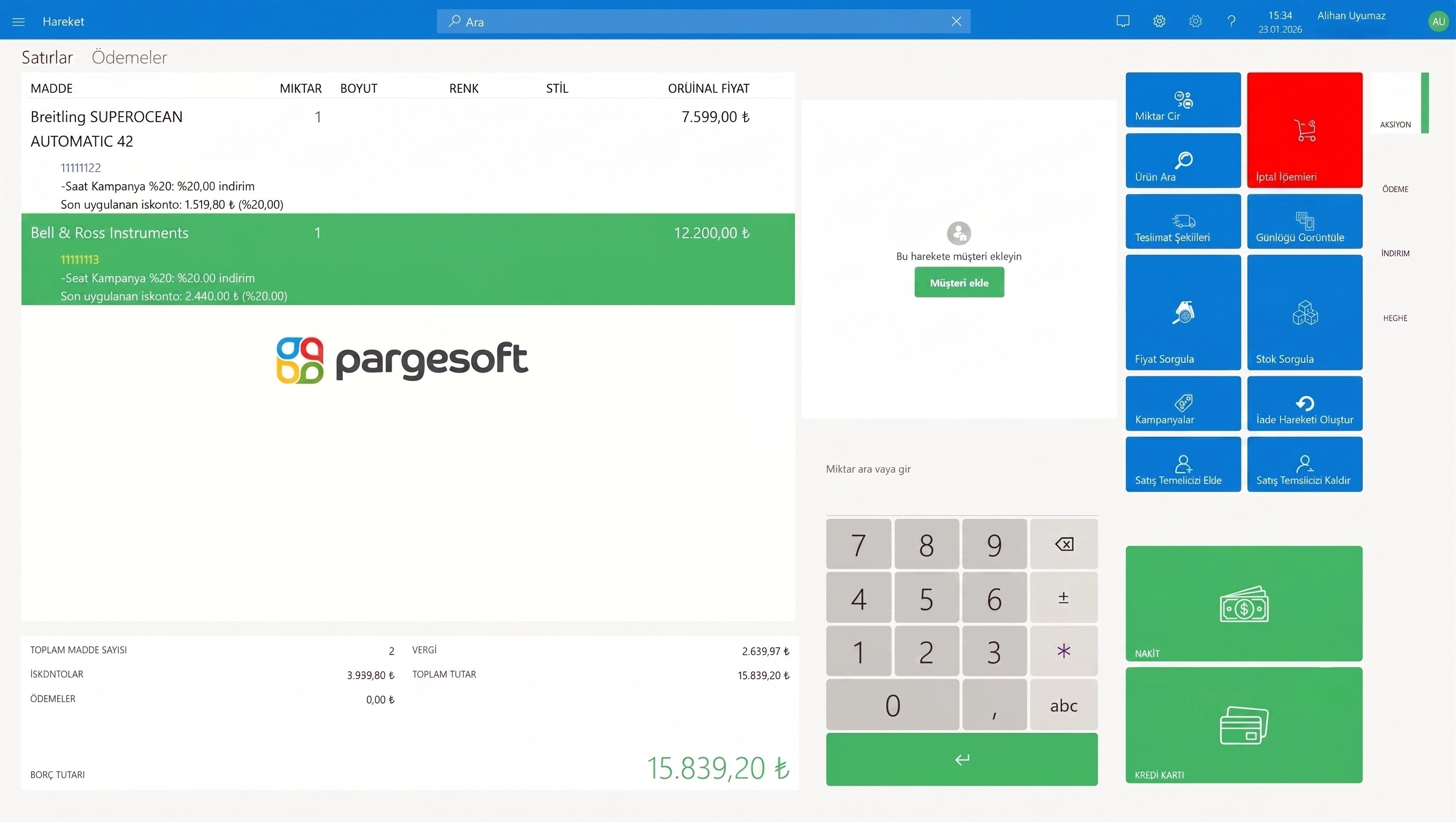 Dynamics 365 Store Commerce (Modern POS) Architecture
This authoritative platform systematically transcends basic barcode scanning and receipt generation operations. Enterprise architects configure the application interface utilizing intuitive drag-and-drop methodologies, strictly aligning with core operational brand requirements. Sales consultants systematically filter complex digital catalogs, compare deep technical specifications, and retrieve real-time inventory metrics across all distributed enterprise locations.
Natively integrated artificial intelligence algorithms via Microsoft Copilot empower consultants with structured operational data. Analyzing historical purchasing behaviors, the intelligence layer systematically generates targeted cross-sell recommendations directly on the interface. Consultants execute analytical propositions, recommending complementary maintenance assets for previously acquired hardware, systematically elevating average transaction volumes while dictating highly customized consumer service standards.
Pricing Strategies and Mix-and-Match Architectures
Enterprise retail sales mathematics consistently rely on structured commercial propositions rather than isolated product attributes. Alihan Uyumaz dictates this exact operational reality:
Within legacy infrastructures, translating complex marketing promotions into point-of-sale terminals systematically deteriorates into heavy, custom IT engineering projects. Microsoft Dynamics 365 Commerce systematically converts these historically manual spreadsheet operations into strictly governed, autonomous business rules:
- Simple Discounts: Apply fixed percentage or fixed amount reductions to specific product categories across strictly defined timeframe parameters.
- Mix-and-Match Configurations: Represent highly profitable yet traditionally complex retail structures. These include cart combinations where acquiring three specific assets triggers a free baseline asset, or combining distinct apparel items triggers fifteen percent reductions. The underlying infrastructure systematically analyzes point-of-sale barcodes, autonomously executing discount logic directly into the final invoice once specific Mix-and-Match rules succeed.
- Quantity Discounts: Dictate scenarios where discount ratios escalate incrementally as purchase volumes increase. Enterprise architects deploy these models to accelerate bulk acquisitions or aggressively liquidate stagnant inventory assets.
- Threshold Discounts: Activate immediate commercial advantages the exact moment total cart valuations reach predefined operational limits. This structure represents the most authoritative market strategy, driving consumers to acquire additional assets directly at the point of sale.
The ultimate operational advantage of these pricing models remains strict centralized governance. When headquarters configures a discount or brand loyalty phase, this precise logic activates simultaneously across mobile applications, e-commerce portals, and all physical retail branches. Enabling consumers to accumulate loyalty assets during physical store transactions and subsequently execute those exact assets during evening e-commerce sessions establishes the absolute foundation for impenetrable brand loyalty.
Shift Reconciliation, Split Payment Architectures, and Back-Office Integration
The Store Commerce interface systematically transcends basic receipt generation, operating as an authoritative back-office management architecture. Within legacy retail environments, end-of-day reconciliation, inventory counts, and shift transitions systematically generate severe manual administrative overhead. Within the Dynamics 365 architecture, terminal opening protocols, break interval tracking, cash reconciliations, and drawer declarations are securely centralized directly through a single, unified interface. Central enterprise finance departments autonomously consolidate terminal discrepancies, evaluating exact shortages or overages in real-time.
Payment interface adaptability dictates absolute consumer satisfaction. Utilizing advanced split payment architectures, consultants seamlessly consolidate distinct tender methods—including cash, credit instruments, foreign currency, corporate gift assets, and brand loyalty points—directly into a single, unified transaction. When consumers dictate executing one-third of total transaction values via accumulated loyalty assets while dividing the remaining balance across two distinct credit instruments, the underlying infrastructure processes this complex transaction as a standard, autonomous operational workflow, completely eliminating manual consultant calculations.
Cross-channel return operations execute utilizing this exact unified intelligence. When consumers arrive at physical retail locations presenting assets acquired through e-commerce portals, frontline consultants retrieve the original digital transaction immediately through the Store Commerce interface. The infrastructure executes return or exchange workflows by strictly enforcing the exact discount configurations applied during the initial digital acquisition. This authoritative governance prevents consultants from executing manual price recalculations.
Customized Portal Architectures for Enterprise and Business-to-Business Commerce
Unified commerce architectures extend far beyond standard direct-to-consumer execution models. Microsoft Dynamics 365 Commerce utilizes the exact same authoritative infrastructure to systematically govern wholesale distribution networks, dealer ecosystems, and complex business-to-business (B2B) operations.
Enterprise buyers execute demands directly through strictly configured dedicated portals, accessing volume-based discount matrices and retrieving historical invoice records. Wholesale transactions executed through the business-to-business portal flow directly into the core headquarters' Supply Chain Management architecture, autonomously triggering physical warehouse picking operations. This unified infrastructure grants organizations the absolute operational agility to govern both direct consumer transactions and enterprise dealer networks within one highly centralized commerce ecosystem.
Initiating Digital Retail Transformation Architectures
Fragmented brand loyalty programs operating across isolated databases, delayed promotional pricing updates, legacy point-of-sale software failing to synchronize e-commerce and physical branch inventory, and terminal failures during internet outages systematically deteriorate corporate reputation and market share within modern competitive environments.
Enterprise retail success transcends basic physical transactions. Organizations must architect an authoritative ecosystem that continuously identifies consumers across all digital and physical touchpoints—from mobile devices directly to the point of sale—executes frictionless return workflows, empowers frontline sales consultants with structured operational data, and systematically automates all core financial processes.
Enterprise leaders must identify the exact structural fragmentation decelerating organizational growth. Whether abandoned orders caused by inventory synchronization failures, paralyzed physical retail locations during infrastructure outages, or complex pricing architectures engineered by marketing departments failing to reflect at physical terminals, these operational disconnects demand immediate architectural remediation.
Frequently Asked Questions (FAQ)
If physical branches, e-commerce portals, and mobile apps operate on separate infrastructures without real-time data exchange, it is a multi-channel setup. In an omnichannel architecture, all channels are unified on a single platform (Dynamics 365), synchronizing carts, prices, and loyalty points simultaneously.
No. Thanks to the offline operational capability, point-of-sale terminals instantly switch to the local hardware station when connectivity drops. All sales transactions are saved to the local database and asynchronously transmitted to headquarters once the internet is restored.
Preventing thousands of registers from pulling data from the central server simultaneously, this service transmits campaigns or updates to branches in specified packages. This optimizes server loads and prevents freezing/delays during register operations.
Yes. Through the Store Commerce interface, payments can easily be divided using cash, various credit cards, loyalty points, and gift certificates simultaneously within a single invoice without any manual calculation issues.
Let's Solve Your Retail Bottlenecks Together
Schedule a strategic assessment meeting with Pargesoft enterprise solution architects today to comprehensively analyze how the Microsoft Dynamics 365 Commerce platform integrates natively with existing hardware infrastructure, executes autonomous offline operational scenarios, digitizes core headquarters operations, and establishes seamless bidirectional communication across your entire e-commerce architecture.
Schedule Assessment Meeting