
In supply chain management the most costly operational bottlenecks rarely stem from a lack of software but rather from the synchronization gap between physical warehouse realities and digital system records. Pargesoft F&O Consultant Samir Vefa highlighted during the recent executive briefing, material location within an unstructured facility relies entirely on the isolated memory of individual operators. This fragile dependency inflates product retrieval times, triggers inventory reconciliation discrepancies and ultimately degrades overall order fulfillment rates. The Advanced Warehouse Management capabilities natively embedded within Microsoft Dynamics 365 Supply Chain Management transcend basic quantity tracking. The platform actively orchestrates every physical material movement from inbound receiving to the manufacturing assembly line and final shipping docks through autonomous architectural rules.
Architectural Distinction Between Legacy Inventory Control and Advanced WMS
Traditional inventory administration functions as a static ledger model recording product quantities and fiscal valuations for corporate balance sheets. Our F&O Consultant Samir Vefa outlines this operational bottleneck using a practical field scenario:
The Advanced Warehouse Management architecture concurrently tracks the complete operational lifecycle of materials across your facilities utilizing industrial mobile interfaces. Every barcode scan executed by the operational workforce is instantly synchronized with the central database architecture. This continuous data flow entirely eliminates the synchronization gap between digital inventory records and physical warehouse realities delivering absolute concurrent traceability for supply chain leaders.
Shifting Operational Decision Authority to Autonomous Architecture
The primary factor degrading operational velocity within large scale distribution centers is relying on human operator intuition for material placement and retrieval locations. Microsoft Dynamics 365 Supply Chain Management structurally segments the physical facility into highly defined logical zones and distinct location profiles. Volumetric capacities payload thresholds and weight constraints for every storage bin are precisely configured within the central platform. Upon completion of the inbound receiving process the system intelligently analyzes physical material characteristics and autonomously dictates the most optimal storage destination. This architectural precision entirely eliminates the unproductive time operators historically waste searching for available warehouse capacity.
This intelligent orchestration framework natively extends into inventory replenishment operations. Before retrieving materials from high capacity storage locations the platform predictively detects upcoming demand and autonomously generates replenishment work orders to continuously supply active picking zones. To ensure operational continuity the final outbound shipping protocol remains suspended until the prerequisite replenishment cycle concludes proactively preventing costly loading dock delays and inefficient split shipments.
Core Architectural Pillars Orchestrating WMS Operations
Within complex industrial supply chain ecosystems the operational efficiency of your warehouse architecture relies entirely on highly specific autonomous rule sets operating in the background. The foundational concepts orchestrating physical material workflows across the system include:
- Work Execution and Template Architecture: Every physical material movement within the facility from inbound receiving and quality inspection routing to storage putaway and raw material production replenishment is systematically defined as executable work. Work template architecture dictates the precise sequence of operational steps required for specific workflows. For instance an export order might trigger a complex template mandating additional compliance labeling rigorous quality control routing and specialized palletization sequences whereas standard domestic fulfillments are autonomously directed straight to outbound shipping zones.
- Location Directives and Spatial Routing: These represent the advanced spatial algorithms the platform utilizes to autonomously determine precise material pickup and putaway coordinates. By leveraging these intelligent rule sets the system dynamically orchestrates outbound picking sequences thereby drastically reducing unproductive operator transit and forklift travel times across the distribution center.
- Advanced Wave and Load Orchestration: Executing sequential individual order picking within high volume operations constitutes a severe drain on operational labor efficiency. Wave planning architecture intelligently consolidates multiple sales orders based on shared characteristics to autonomously generate optimized batch execution directives. Concurrently the load management framework ensures outbound shipments are perfectly optimized against available carrier payload capacities. By natively integrating with the dock appointment scheduling system this load orchestration governs precise carrier arrival times and specific loading bay assignments effectively eliminating severe logistics bottlenecks at your facility gates.
- Advanced License Plate Tracking: This architectural framework enables the autonomous traceability of cartons pallets and high capacity logistical containers through uniquely generated system identifiers. By scanning a single license plate barcode hundreds of distinct materials nested within a pallet can be seamlessly transferred across operational zones in seconds entirely eliminating manual data entry and preventing costly human reconciliation errors.
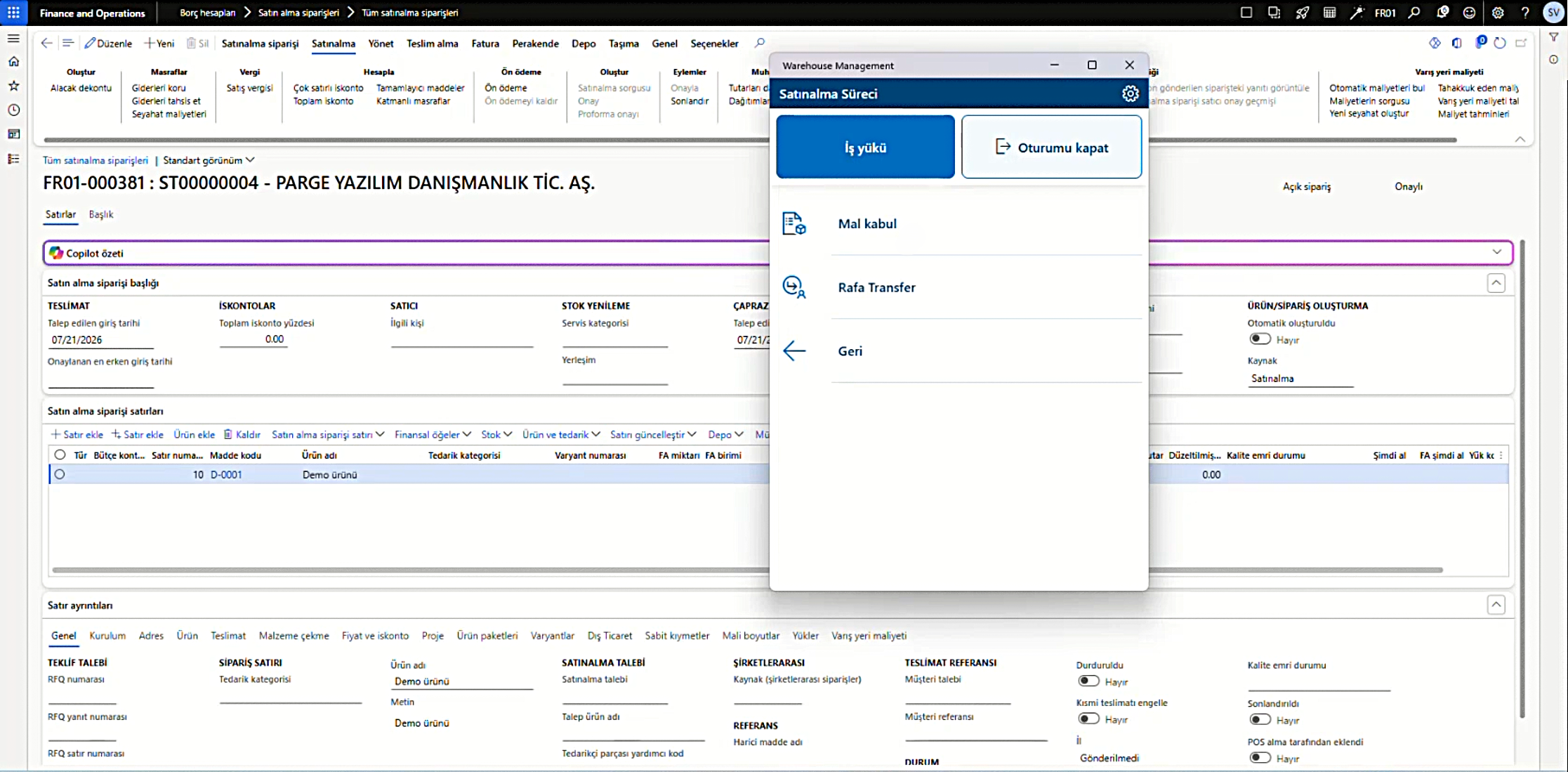 Advanced Warehouse Management System Architecture Overview
How Do Unit Sequence Groups Accelerate Picking Processes?
In warehouse operations, the packaging hierarchy (item, box, pallet) with which products move directly affects efficiency. The "Unit Sequence Group" in Dynamics 365 SCM mathematically converts and classifies all packaging units a product is processed in.
This intelligent architectural logic proactively prevents the operational workforce from executing unnecessary pallet breakdown and redundant carton unpacking procedures. By entirely eliminating these inefficient manual interventions the platform drastically reduces secondary packaging expenditures and eradicates unproductive labor time across your distribution facilities.
Eradicating Outbound Fulfillment Errors Through Advanced Inventory Status and Short Pick Architecture
A prevalent bottleneck in physical warehousing is the inadvertent picking of products that failed quality assurance are damaged or remain quarantined. When a specific material is flagged as Blocked utilizing the Inventory Status parameter natively embedded within Microsoft Dynamics 365 Supply Chain Management the platform autonomously restricts this inventory from sales order reservations and physically prevents pick execution directives from appearing on industrial mobile interfaces.
The management of instantaneous material shortages encountered on the facility floor is executed with high flexibility via these mobile applications. If an operational worker approaches a storage bin for a work execution directive of one hundred units but discovers only fifty items available they can seamlessly initiate a Short Pick procedure directly through the interface. F&O Consultant Samir Vefa outlines this operational crisis resolution framework as follows:
Orchestrating Industrial Mobile Security and a Unified Corporate Ecosystem
The primary operational interface for the Advanced Warehouse Management architecture utilizes an industrial mobile application natively secured by Microsoft Entra ID authentication protocols. Upon accessing the platform the operational workforce encounters a strictly governed interface displaying only the specific functional menus authorized by their designated role based access control profiles. During critical putaway or outbound picking sequences the system completely restricts task completion until operators physically scan the exact storage bin location barcode alongside the unique product license plate. This architectural constraint fundamentally eradicates the operational risk of scanning incorrect materials or dispatching erroneous order quantities.
Fragmented architectures where procurement quality assurance manufacturing and sales divisions operate on isolated software platforms inevitably generate severe data inconsistencies and structural operational blindness. Microsoft Dynamics 365 Supply Chain Management systematically dismantles these departmental communication barriers. The platform seamlessly consolidates every data point from initial raw material procurement and manufacturing assembly line replenishment through to final outbound fulfillment and commercial invoicing within one highly unified corporate ecosystem.
Frequently Asked Questions (FAQ)
While traditional inventory management only tracks quantities on the ledger, the Advanced WMS system monitors the entire physical lifecycle of the product within the facility instantly via mobile devices and manages the operation flawlessly with mandatory barcode scanning.
With features like Wave planning and Unit Sequence Groups in Dynamics 365 SCM, you can transform orders into bulk work orders and autonomously guide warehouse personnel based on the packaging structure (pallet, box, item).
If an operator finds fewer products than expected on the rack directed by the system, they enter the missing quantity into the handheld terminal to perform a Short Pick. The system instantly updates the shipment and creates a new automatic work order from a different location in the warehouse for the missing amount.
Products that have not received quality approval can be marked as 'Blocked' using the 'Inventory Status' parameter in Dynamics 365 SCM. This completely blocks these products from being reserved for sales orders and prevents them from appearing as work on the terminal.
Let's Solve Your Operational Bottlenecks Together
If you want to shorten product search times, ensure inventory accuracy, and transform your logistics flow into an autonomous structure in your warehouse operations, we can schedule a brief discovery meeting to discuss your current infrastructure in detail. Pargesoft experts are ready to analyze your process and accelerate your Dynamics 365 digital transformation.
Consult Pargesoft Experts